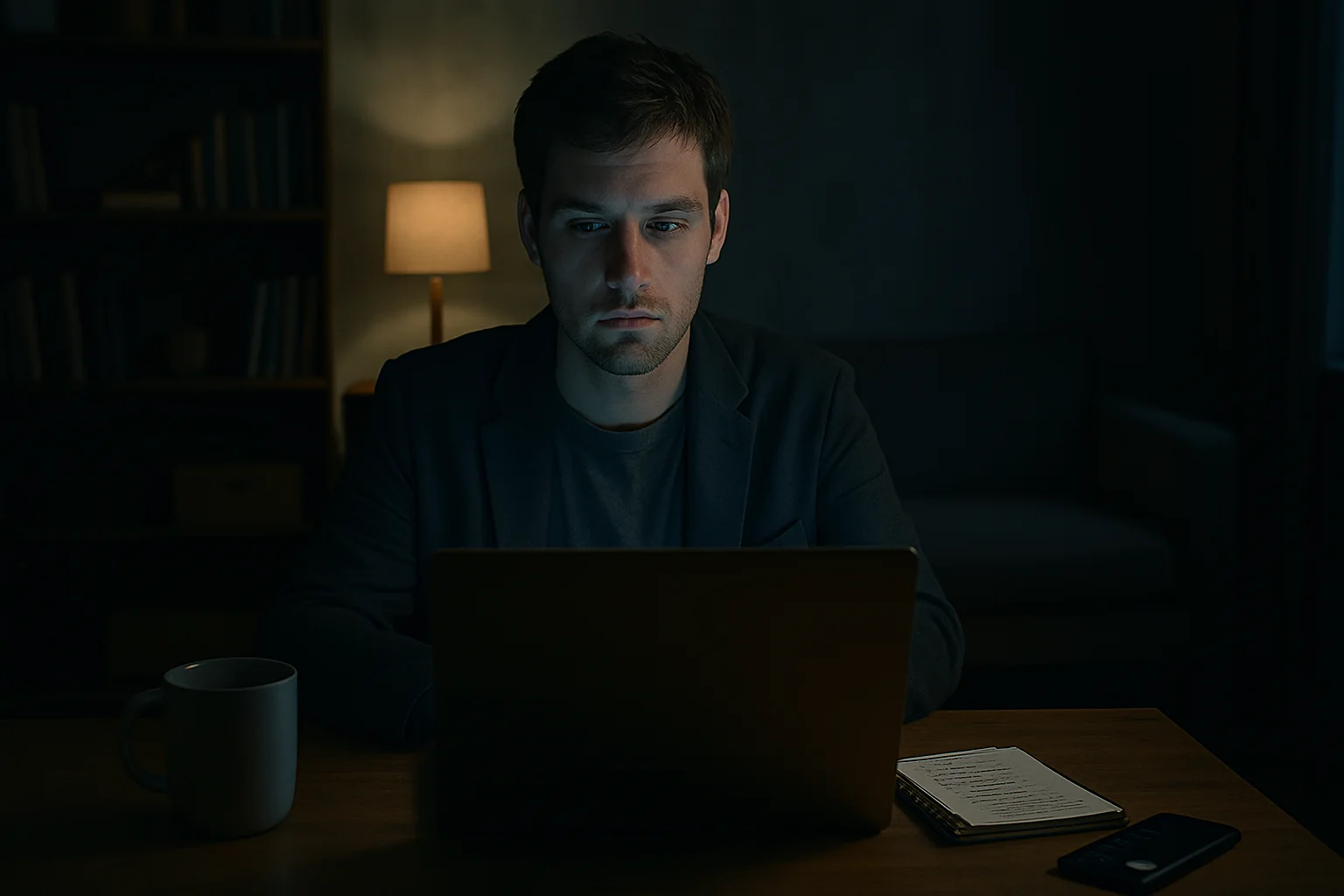
Remember when working from home sounded like a dream? No commute, no awkward small talk in the breakroom, and no pants (blessed be the sweatpants). But now, here we are—overworked, under-stimulated, and emotionally flatlined—all while technically living the “dream.”
Remote work has become the ultimate plot twist: what was once marketed as freedom now feels more like house arrest… but with Wi-Fi.
So why are so many people silently burning out in silence while everyone else is posting #blessed home office setups?
Let’s get into the unfiltered truth about remote work—and why it might be the most overrated lifestyle upgrade no one’s ready to admit.
1. Remote Doesn’t Always Mean Rested
Sure, you’re home. But your brain? Still clocked in at 10:45 PM because your manager “just had a quick question.”
The line between your job and your life is now as thin as your laptop charger cord. And while the freedom to work from your couch is nice, it also means your office is now wherever your phone is—which, let’s be honest, is everywhere.
You might think you’re multitasking. But really, you’re just always working.
And that’s not freedom. That’s digital captivity dressed up in loungewear
2. The Loneliness Hits Different When You’re “Lucky”
Let’s talk about the emotional elephant in the room: it gets lonely.
Not “aww I miss the office parties” lonely. We’re talking existential, I-forgot-how-to-make-eye-contact kind of lonely.
You can spend 10 hours in back-to-back Zoom calls and still feel completely disconnected. Because here’s the secret: digital communication doesn’t feed your nervous system the way in-person connection does. Your brain knows when the love is fake.
A study by Buffer found that 52% of remote workers say loneliness is their #1 struggle.
And the worst part? You’re not even “allowed” to complain. You work from home! You’re lucky! Right?
3. Emotional Numbness is the New Normal
Here’s a weird symptom of remote work burnout nobody talks about: you stop feeling anything at all.
You’re not upset. You’re not inspired. You’re not even bored. You’re just… there.
This isn’t just burnout. It’s emotional flatlining.
Your brain’s fight-or-flight system never gets a break because you’re “on” 24/7. And eventually, it just powers down the joy too.
So if you’re wondering why everything feels kinda dull lately—it might not be your job. It might be that your brain is trying to survive this new lifestyle.
4. Creativity Doesn’t Live in Isolation
As someone in the entertainment and content world, I’ll be real: remote work has tanked creativity.
There’s a reason writers hang out in cafes and directors love chaotic sets. Creativity thrives on stimulus. And guess what you don’t get when you haven’t left your apartment in four days?
Yup. Stimulus.
You can’t expect to produce brilliant ideas while sitting in the same room, looking at the same walls, eating the same air fryer leftovers. That’s not creativity—it’s survival.
If your spark is gone, it’s not you—it’s the four walls you’ve been staring at since 2020.
5. So… What Can You Actually Do About It?
Let’s get practical. You don’t need to go back to the cubicle (unless you want to). But you do need structure if you want to stop feeling like a corporate ghost.
Here’s what I do that helps:
- Fake a commute. Walk around the block before and after work. Seriously, it works.
- Have a shutdown ritual. Light a candle. Turn on music. Slam the laptop shut like it wronged you.
- Talk to humans IRL. Go to the gym. Sit at a café. Ask your barista how their day is. Anything.
- Protect your weekends like your passwords. You need off-switches. No “just checking in” allowed.
- Change scenery often. New environments trigger new thoughts. You’d be amazed what a coffee shop can do.
6. Final Thoughts: Is This Really the Dream?
Let’s not sugarcoat it—remote work is not the magical lifestyle Instagram told us it was.
It’s convenient. It’s efficient. But it’s also exhausting, isolating, and weirdly soul-numbing if you’re not intentional about how you live within it.
We were sold flexibility. What we got was 24/7 access.
We were promised balance. What we got was blurred lines.
And worst of all? We’re all too tired to say anything about it.
If you’re feeling off, drained, disconnected, or like your personality is slowly fading into Google Docs… you’re not broken.
You’re just burning out in a way that looks socially acceptable.
And that’s the scariest kind of burnout of all.
